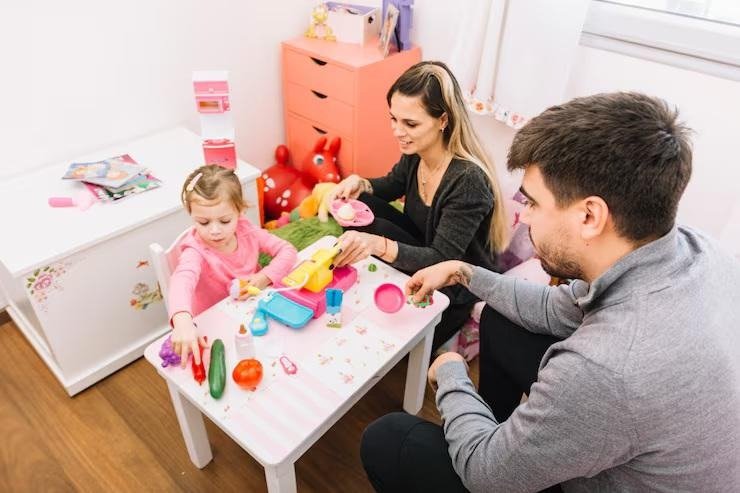
Parents often pick a centre in a rush. A place opens up, the drive looks manageable, and the enrollment form gets signed before anyone has asked how the staff handle a child who won’t settle. Families searching for childcare Chisholm can avoid that by deciding in advance what matters most, then testing each centre against it. The checks below take a few visits and a handful of direct questions, and they show far more than a brochure does.
Settle the Practical Limits First
Before comparing educational programs, work out what your week demands. Opening hours need to cover your longest workday plus travel time, with some margin for the days a meeting runs late. Check the late-pickup policy and what the fee is if you arrive after closing.
Location matters in a less obvious way. A centre near home is convenient, but one close to your workplace or on your commute can make drop-offs shorter and pickups less frantic. Map the route at the times you would actually travel, because a ten-minute drive on a Sunday can become thirty on a weekday morning.
Ask which days are available and whether they are fixed. Some centres offer set sessions only, while others let you build a roster around shift work. Knowing this early saves you from falling for a centre that cannot fit your schedule.
Read the Quality Rating, Then Read Past It
Every approved service in Australia is assessed against the National Quality Standard, and the rating is published on the Starting Blocks website run by ACECQA. Centres are rated Exceeding, Meeting or Working Towards the standard, with a separate Excellent rating awarded by application.
Treat the rating as a starting filter. It tells you the service has been assessed and where it sits against seven quality areas, including educational programs, staffing and leadership. It does not tell you whether the toddler room is calm at 4 p.m. Look at the date of the last assessment as well, since a rating from several years ago may not reflect the current team.
Ask the director to explain the centre’s quality improvement plan. A confident answer with specific goals suggests a service that reviews its own work. A vague answer is worth remembering.
See also: Blockchain Technology in Business
Count the Adults in the Room
Educator-to-child ratios are set by regulation, and the youngest children get the most attention: one educator for every four children under two. Ratios rise as children get older, and the exact numbers depend on the state or territory. Ask the centre to show you the ratio for your child’s age group, and ask how they manage it during breaks and at the start and end of the day, when numbers shift.
Staff stability tells you more than the ratio on paper. Ask how many educators have been in the room for more than a year. Young children form attachments to the adults who care for them, and a room with constant turnover means constant adjustment. Check, too, what qualifications the lead educators hold and how the centre covers absences, whether through regular relief staff your child will recognise or an unfamiliar rotation.
Watch the Educators, Not the Tour Guide
The person showing you around is usually the most polished member of the team. Pay attention to everyone else. Do educators crouch to a child’s eye level when they speak? Do they respond when a child is upset, or redirect and move on? Is the noise level that of busy play or chaos?
Spend a few minutes in the room you are considering for your child. Notice how children arrive and how educators greet them by name. Notice what happens at transitions, such as moving from play to lunch, because these are the moments where routines either work or fall apart.
If a centre only allows a quick walk-through of the foyer and a corridor, that is information too.
Look Closely at Food, Sleep and Outdoor Space
Daily care shapes your child’s mood more than the program does. Ask whether meals are cooked on site, who plans the menu, and how allergies are managed. A good centre can describe its allergy procedures without hesitation and keeps clear records of every child’s needs.
Sleep matters for babies and toddlers. Ask where children rest, how each child’s routine is followed, and how often sleeping babies are checked. Follow-up questions about safe sleep practice should get a precise answer.
Walk through the outdoor area. Look for shade, varied surfaces, climbing equipment suited to different ages, and natural elements such as plants and sand. Children spend a large share of the day outside, and a bare, hard yard limits what they can do. Check for secure fencing and gates, and ask how staff supervise the space.
Understand What the Learning Program Looks Like
Under the national framework, centres follow the Early Years Learning Framework, which is built around play, relationships and children’s interests. That should be visible in the rooms. Look for children’s artwork on the walls, loose materials like blocks, clay and fabric, and activity areas children can reach themselves.
For children in the year or two before school, ask how the centre prepares them. A strong program builds independence, language and the ability to take turns and follow a group routine, and it does not drill letters at a desk. Ask how educators record each child’s progress and how often parents receive updates.
Communication is part of the program. Find out whether the centre uses an app for daily photos and notes, how quickly staff respond to messages, and whether you can speak to your child’s educator at pickup without being rushed.
Work Out the Real Cost
Fees are quoted as a daily rate, but what you pay depends on the Child Care Subsidy. The subsidy is calculated through Services Australia based on family income and activity, and it is paid directly to the centre, which reduces your fee. Ask the centre for an estimate of your out-of-pocket cost per day after subsidy, and ask what is included, such as meals, nappies, sunscreen and excursions.
Check the enrolment process too: whether there is a deposit, how much notice is needed to change days, and how fees work during public holidays and absences. Many centres have waiting lists for babies and popular days, so enquire early. Little Zak’s Academy is one of the providers parents can approach to compare fees, rooms and availability.
Visit More Than Once
A single tour shows the centre at its best. A second visit at a different time of day, perhaps mid-afternoon or during mealtime, gives a more honest picture. Bring your questions on paper so you can compare answers between centres afterward, and note how each director responds to questions they did not expect.
Trust your reaction to the atmosphere as well. Parents who feel uneasy at a visit often cannot explain why, but the feeling usually points to something real: tense staff, a flat mood in the room, or evasive answers. If you want to talk through availability or book a visit, you can get in touch with the team directly and ask for a time when the rooms are in full swing.
Choosing With Your Own Child in Mind
A centre that suits a neighbour’s child may not suit yours. A shy toddler needs educators who are patient with slow settling. An energetic four-year-old needs space and a program that keeps up. Think about your child’s temperament and what a good day looks like for them, and let that shape the final decision.
Ask about the settling-in process, including shorter introductory sessions and how educators will keep you informed during the first weeks. Tears at drop-off are normal and usually pass, but how a centre supports both you and your child through them says a lot. Once you have seen the rooms, met the educators and heard clear answers on cost and care, the right choice tends to be the centre where you could picture an ordinary Tuesday going well.