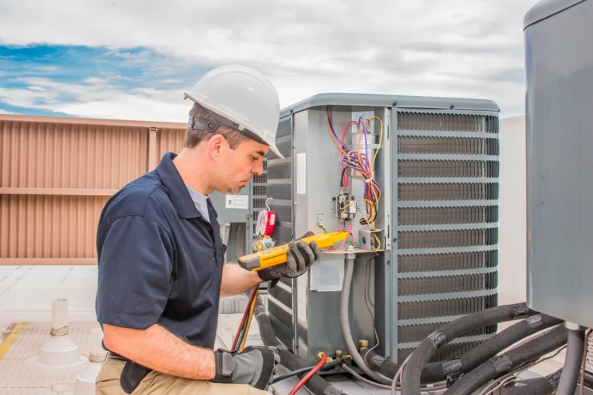
A reliable heating system is essential when temperatures begin to drop. If your heating equipment suddenly stops working or fails to keep your home warm, timely furnace repair becomes the key to restoring comfort and safety. Ignoring small problems can lead to expensive breakdowns, reduced efficiency, and higher energy bills. Understanding common furnace issues, warning signs, and preventive measures helps homeowners make informed decisions before a minor concern turns into a major repair.
Why Furnace Repair Matters
Your heating system works hard throughout the colder months. Over time, components naturally wear out due to continuous operation. Scheduling furnace repair as soon as you notice unusual performance prevents further damage and extends the lifespan of the system.
Delaying repairs can also reduce indoor comfort. A furnace that struggles to produce consistent heat may consume more energy while delivering poorer results. Prompt attention keeps the system running efficiently and safely.
See also: Blockchain Technology in Business
Common Signs Your Furnace Needs Repair
Recognizing early warning signs makes furnace repair easier and often less expensive.
Unusual Noises
A healthy furnace operates quietly. If you hear banging, rattling, squealing, or grinding sounds, internal parts may be loose or worn. These noises should never be ignored.
Weak Airflow
Poor airflow often indicates clogged filters, blower issues, or duct restrictions. Weak airflow forces the furnace to work harder, increasing energy consumption and the need for furnace repair.
Uneven Heating
If some rooms remain cold while others become overly warm, the heating system may have airflow or mechanical problems. Addressing these issues early improves comfort throughout the home.
Frequent Cycling
A furnace that turns on and off repeatedly may have thermostat problems, restricted airflow, or overheating components. Professional furnace repair can identify the exact cause.
Higher Energy Bills
An unexpected increase in heating costs often signals declining system efficiency. Worn parts or hidden mechanical issues may require immediate furnace repair to restore normal operation.
Common Furnace Problems
Several issues commonly require professional furnace repair.
Dirty Air Filters
Restricted airflow caused by dirty filters reduces efficiency and places additional stress on the blower motor. Replacing filters regularly minimizes unnecessary repairs.
Faulty Thermostat
An inaccurate thermostat can cause inconsistent temperatures or prevent the furnace from operating correctly. Calibration or replacement often solves the issue.
Ignition Problems
Modern furnaces rely on electronic ignition systems. When these components fail, the furnace may not start at all, making prompt furnace repair essential.
Blower Motor Failure
The blower distributes heated air throughout the home. If it begins failing, airflow decreases significantly, reducing indoor comfort.
Worn Mechanical Components
Belts, bearings, motors, and electrical connections naturally wear over time. Routine inspections help identify these issues before complete failure occurs.
Benefits of Timely Furnace Repair
Repairing heating problems quickly offers several advantages.
Improved Energy Efficiency
A properly functioning furnace consumes less energy while maintaining consistent indoor temperatures. Efficient operation reduces monthly utility expenses.
Enhanced Indoor Comfort
Reliable heating eliminates cold spots and provides balanced warmth throughout every room.
Longer Equipment Lifespan
Regular furnace repair prevents minor wear from becoming major mechanical failures. This helps maximize the life expectancy of the heating system.
Better Safety
Heating equipment contains electrical components and combustion systems. Addressing faults quickly reduces safety risks and improves reliable operation.
How Preventive Maintenance Reduces Repairs
Although furnace repair cannot always be avoided, routine maintenance greatly reduces unexpected breakdowns.
Simple maintenance tasks include:
Replace Air Filters
Clean filters improve airflow and reduce stress on internal components.
Keep Air Vents Clear
Blocked vents restrict circulation and make the furnace work harder than necessary.
Monitor Thermostat Performance
Accurate thermostat readings help maintain comfortable temperatures while reducing unnecessary system operation.
Schedule Annual Inspections
Professional inspections identify worn components before they fail completely, minimizing emergency repairs.
When Furnace Repair Should Not Wait
Certain situations require immediate attention.
Seek furnace repair if you notice:
- No heat despite thermostat settings
- Burning or unusual odors
- Persistent loud noises
- Constant system cycling
- Poor airflow
- Unusually high heating costs
- Visible damage around the furnace
Prompt repairs prevent additional damage and help restore dependable heating quickly.
Choosing the Right Time for Furnace Repair
Many homeowners wait until the furnace completely stops working before seeking help. However, repairing small problems early often costs less than replacing major components after extensive damage.
Scheduling furnace repair at the first sign of trouble also helps avoid inconvenient breakdowns during the coldest periods of the year when heating is most important.
Conclusion
A dependable heating system plays an essential role in maintaining indoor comfort throughout the colder seasons. Paying attention to warning signs, addressing issues promptly, and performing routine maintenance all contribute to better performance and longer equipment life. Whether it’s unusual noises, uneven heating, or declining efficiency, timely furnace maintenance helps restore reliable operation while preventing more costly problems in the future. By staying proactive, homeowners can enjoy consistent warmth, improved efficiency, and peace of mind all season long.