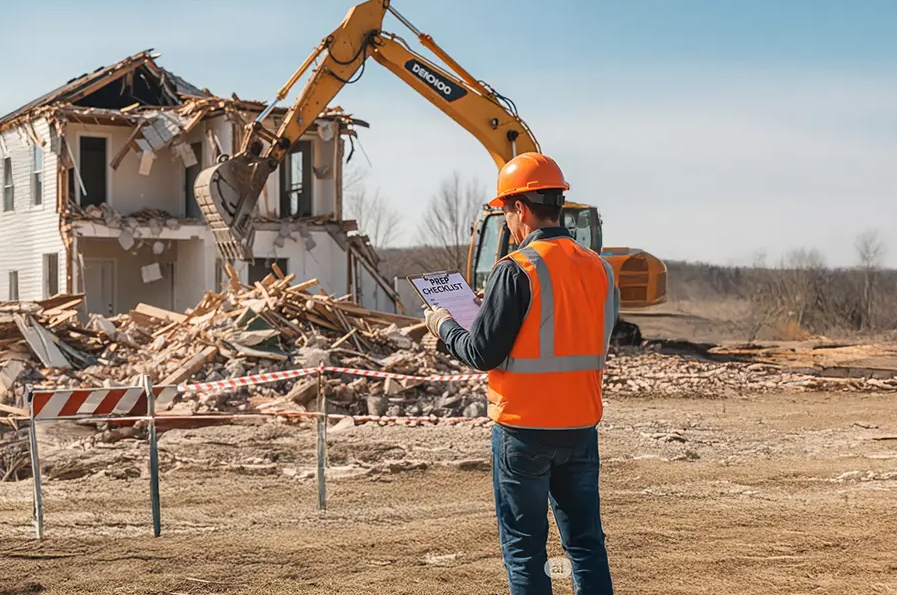
Final punch-out is the most compressed and scrutinized phase of a residential build. Schedules are tight, buyers are walking the home, inspectors are revisiting details, and multiple trades are cycling through in short bursts. In this environment, waste removal is often assumed to be simple because “the heavy work is done.” In practice, punch-out generates a unique set of waste challenges that can quietly undermine timelines, inspection outcomes, and buyer perception if not managed deliberately.
For homebuilders, understanding how waste removal functions during final punch-out is essential to delivering a clean closeout without unnecessary delays or reputational risk.
Punch-Out Waste Is Small in Volume but High in Impact
Compared to framing or rough-in phases, punch-out produces relatively modest debris volumes. The problem is not quantity; it is visibility and timing. Trim scraps, packaging, discarded fixtures, paint materials, and protective coverings accumulate quickly across multiple rooms.
Because the home is largely complete, even small amounts of debris stand out. Waste left in hallways, garages, or exterior areas can create the impression of unfinished work, regardless of actual progress.
During punch-out, perception matters as much as production.
Trade Stacking Increases Debris Turnover
Punch-out involves rapid trade stacking. Painters, electricians, plumbers, flooring installers, and finish carpenters may all work within overlapping windows. Each trade generates its own small waste stream, often expecting someone else to manage disposal.
Without clear coordination, debris piles up between visits. Containers fill unevenly, and crews lose time navigating cluttered spaces. This congestion reduces efficiency and increases the likelihood that minor waste issues delay final tasks.
Effective waste planning accounts for the cumulative effect of many small contributors rather than assuming minimal debris.
Final Inspections Are Sensitive to Site Conditions
Inspectors conducting final walkthroughs expect clean, accessible environments. Waste accumulation can obstruct access to panels, fixtures, or mechanical components that must be verified before approval.
Even when the work itself meets code, cluttered conditions can trigger inspection failures or requests for re-inspection. Inspectors are obligated to assess what they see at the time of the visit, not what is planned to be removed later.
A missed inspection window late in the build can disrupt closing schedules and buyer commitments.
Buyer Walkthroughs Amplify Waste Visibility
Final punch-out often coincides with buyer walkthroughs or pre-closing visits. These moments are highly sensitive to presentation. Construction debris, overflowing containers, or scattered materials create doubt about overall build quality.
Buyers rarely distinguish between temporary punch-out waste and unfinished work. What they see shapes their confidence in the home and the builder.
Waste removal during this phase is as much about customer experience as logistics.
Container Size and Placement Matter Later in the Build
During early phases, large roll-off containers placed near the structure are common. During punch-out, access patterns change. Driveways may be finished, landscaping installed, and exterior features completed.
Large containers can damage finished surfaces or block access for trades and inspectors. Smaller containers or alternative placement strategies may be required, even if they are less efficient volumetrically.
Builders who fail to adjust waste strategies for this phase risk surface damage or access issues that create new punch-list items.
See also: Blockchain Technology in Business
Weight Management is Less Predictable than Expected
Punch-out waste is often a mix of light packaging and dense materials such as tile offcuts, fixtures, or leftover masonry. Containers may appear underfilled while approaching transport weight limits.
Assuming punch-out debris is uniformly lightweight can lead to overweight loads, rejected pickups, or delayed service. These disruptions are especially problematic when schedules are measured in days rather than weeks.
Monitoring fill practices remains important even when volumes are low.
Timing is the Primary Constraint
Unlike earlier phases, punch-out offers little flexibility in timing. Work is sequenced to meet inspection dates, closing deadlines, and occupancy commitments. Waste removal must align precisely with these milestones.
A missed pickup during punch-out can:
- Delay final cleaning
- Block inspector access
- Push walkthroughs
- Compress closing schedules
At this stage, there is no slack to absorb delays.
Waste Removal Influences Final Cleaning Efficiency
Final cleaning teams rely on clear spaces to work efficiently. Debris left on-site forces cleaners to work around waste or wait for removal, reducing productivity.
When waste removal and final cleaning are not coordinated, cleaners may return multiple times, increasing cost and delaying readiness. Cleaners are often blamed for delays that originate in waste logistics.
Integrating waste removal into the final cleaning schedule improves overall closeout efficiency.
Documentation Still Matters at the End
Even during punch-out, disposal documentation may be required for internal records, warranty closeout, or regulatory review. Missing haul records or unclear service timing can complicate closeout packages.
Because punch-out is fast-moving, documentation gaps are common. Builders who maintain consistent records through the final phase avoid administrative cleanup after occupancy.
Closeout documentation should not end before waste service does.
Landscaping and Exterior Finish Work Create Unique Challenges
Exterior punch-out often overlaps with landscaping, hardscaping, and final grading. These activities generate soil, plant waste, and packaging that must be managed without damaging finished yards.
Containers placed too late or removed too early create exterior clutter that interferes with landscaping timelines. Exterior waste is also more visible to neighbors and inspectors, increasing complaint risk.
Exterior punch-out requires just as much waste planning as interior work.
Short Duration Does Not Reduce Compliance Expectations
Because punch-out is brief, it is tempting to relax compliance vigilance. This is a mistake. Placement rules, permit conditions, and site cleanliness standards still apply.
A container that overstays its approved duration or blocks a right-of-way late in the build can trigger enforcement that delays occupancy approvals. Compliance issues are often least tolerated at the end, when expectations are highest.
Short duration increases scrutiny rather than reducing it.
Clear Responsibility Prevents Late-Stage Gaps
Punch-out failures often stem from unclear responsibility. When no one is explicitly tasked with monitoring waste during this phase, small issues persist until they become obstacles.
Effective builders designate responsibility for:
- Monitoring container fill levels
- Scheduling pickups aligned with milestones
- Ensuring debris is consolidated daily
- Coordinating with final cleaning
This ownership prevents diffusion of responsibility during a critical phase.
Coordination With Waste Providers Is Most Valuable at the End
Waste providers can offer guidance on container sizing, placement adjustments, and service timing that reflects punch-out realities. Engaging providers early in this phase improves predictability.
Industry discussions frequently reference coordination through platforms such as Waste Removal USA when examining how builders maintain clean, compliant sites through final punch-out without introducing delays that affect closings.
The value of coordination increases as timelines compress.
Common Punch-Out Waste Mistakes Homebuilders Make
Several patterns occur across residential builds:
- Assuming punch-out waste is negligible
- Leaving large containers in place too long
- Failing to coordinate pickups with inspections
- Allowing trades to dispose of waste inconsistently
- Overlooking exterior debris during landscaping
These issues rarely reflect poor execution. They reflect underestimating how sensitive the final phase is to disruption.
Integrating Waste Removal into Punch-Out Planning
The most effective homebuilders treat waste removal as part of punch-out planning, not a carryover from earlier phases. Waste strategies are adjusted, container types reconsidered, and service schedules refined.
This integration ensures waste removal supports final readiness rather than competing with it.
Why Punch-Out Is a Different Waste Environment
Punch-out is defined by visibility, sensitivity, and time pressure. Waste that would be acceptable earlier becomes unacceptable late. Delays that were manageable before become critical.
Recognizing this shift allows builders to adapt waste strategies accordingly.
Waste removal during final punch-out carries disproportionate influence over inspection outcomes, buyer perception, and closing timelines. While debris volumes are smaller, the operational stakes are higher. Visibility, access, and timing all converge in this final phase.
For homebuilders, understanding and planning for these realities is essential. When waste removal is managed deliberately through punch-out, it supports a smooth closeout and reinforces build quality. When it is treated as an afterthought, even minor debris issues can undermine months of careful work at the moment it matters most.