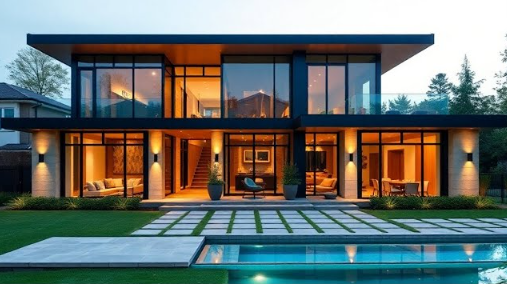
Thinking about a prefab home in Ontario means balancing speed, savings, and code-compliant quality for your specific lot and climate. You can move faster and often spend less than with traditional construction because manufacturers build components in controlled factories to meet Ontario Building Code standards while offering customizable plans.
This post walks through what matters most for your project: finding modular designs that suit your site, understanding realistic costs and financing, and navigating the buying and installation steps so you avoid surprises. If you are exploring Prefab Homes Ontario, this guide offers a practical path to choosing an energy-efficient, code-ready home that fits your timeline and budget, while clearly outlining what to check and who to contact n
Prefab Homes in Ontario: Key Considerations
You’ll decide between types, regulatory requirements, energy performance, and builder qualifications. Focus on delivery method, permit timelines, insulation standards, and contractor track record to keep your project on budget and on schedule.
Types of Prefab Homes Available
Prefab homes come in several distinct forms: modular, panelized, and kit (manufactured on-site components). Modular units arrive mostly finished and stack on a foundation; panelized systems deliver wall and roof panels for faster on-site assembly; kit homes supply pre-cut components for more DIY involvement.
Modular homes often shorten on-site time by weeks and reduce weather delays. Panelized systems give you design flexibility with less on-site labour than full stick‑built construction. Kit homes can be cheapest in material cost but require strong project management and trades.
Consider transport limits (road width, height), crane access for modules, and site prep such as foundation type and utility hookups. Ask suppliers about lead times, warranty coverage, and included finishes so you can compare total delivered cost rather than headline price per square foot.
Ontario Building Codes and Regulations
You must meet the Ontario Building Code (OBC) plus local municipal bylaws for zoning, lot coverage, and services. Modular units often carry CSA or provincial approvals; ensure factory certification and stamped plans match the OBC requirements for foundations, fire separations, and structural loads.
Permit timelines vary by municipality — some require peer review for non‑standard assemblies — so submit detailed drawings early. Wiring, plumbing, and HVAC need inspections at prescribed stages; coordinate with inspectors to avoid rework.
Confirm septic or sewer permits and conservation authority approvals for shoreline or floodplain properties. If your home crosses provincial transport rules (oversize modules), factor specialized transport permits and escort vehicles into the schedule and budget.
Energy Efficiency and Sustainability
Ontario’s climate rewards high-performance envelopes and efficient mechanical systems. Prioritize continuous insulation, good air-sealing (blower door targets), and high-efficiency heat pumps or hybrid HVAC to lower winter heating costs.
Look for factory-installed upgrades like triple-glazed windows, insulated foundations, and thermal bridging details. Prefab factories can achieve tighter builds than on-site construction, reducing infiltration and construction waste.
Consider renewable-ready options (solar-ready roofs, battery space), heat-recovery ventilation, and low‑flow fixtures to cut operating costs. Ask for modeled energy performance or HERS/EnerGuide scores where available to compare expected utility use between options.
Choosing a Trusted Prefab Home Builder
Vet builders by visiting completed projects and factory production lines when possible. Check references, ask for recent build photos, and verify examples of projects with similar scope and site conditions to yours.
Confirm the builder’s warranties, change‑order policies, and who manages on-site coordination (builder, contractor, or you). Get a clear fixed-price scope that lists finishes, site work, permits, and allowance caps.
Verify liability and wrap-up insurance, and request a timeline with milestones tied to payments. Prefer builders with third‑party certifications (CSA, ISO quality control) and a documented commissioning process to ensure systems perform after handover.
Cost, Customization, and Buying Process
Key considerations include how base price, site work, and finishes affect your final cost, what customization choices you can make without large premiums, and practical steps for permits, delivery, and financing.
Pricing Factors and Budgeting
Prefab prices in Ontario commonly range from about $150 to $250 per square foot for delivered, set-up homes, though entry-level models can start lower and high-end custom builds cost more.
Major cost drivers you should track: factory base price, freight and crane fees, foundation or slab work, municipal permits and inspections, utility hookups, and interior finishes.
Create a simple budget table to compare scenarios:
- Base unit: factory price per sq ft
- Site work: foundation, grading, drainage
- Delivery/assembly: transport + crane
- Finishes & upgrades: cabinetry, HVAC, insulation
- Soft costs: permits, engineering, HST
Get multiple quotes and request itemized breakdowns. Factor a contingency of 10–15% for site surprises or change orders.
See also: Home Backup Power Solutions Using Solar Generators
Customization Options
You can often select floor plans, exterior cladding, window packages, and interior finishes without changing factory structural systems.
Standard modular shells limit major layout moves; ask which walls are non-load-bearing and where mechanical chases run before planning changes.
Common upgrade categories:
- Exterior: siding type, roofing, porches
- Interior: kitchen layout, flooring, built-ins
- Systems: heat pump vs. furnace, hot water options, smart controls
Custom structural or site-specific changes usually add engineering fees and longer lead times. Clarify manufacturer change-order policies, lead-time increments, and cost per change before signing.
Site Preparation and Installation
You must confirm municipal zoning and building permit requirements before ordering. Provide the builder with stamped site plans, utility connection points, and geotechnical info if requested.
Typical site tasks you’ll coordinate:
- Foundation: poured concrete slab or crawlspace piers
- Access: driveway upgrades and turning radius for delivery truck
- Utilities: electrical, water, sewer/SEptic hookups scheduled to align with delivery
- Crane pad and staging area prepared for module set
Schedule delivery for dry seasons when possible. Plan inspections at foundation, set, and final stages to avoid occupancy delays.
Financing and Mortgage Options
Traditional mortgages may not apply until the home is on a permanent foundation and provincially inspected; options vary by lender. You can use construction loans, modular-specific lenders, or a mortgage that converts at completion.
Finance checklist:
- Pre-approval: confirm lender accepts modular/prefab construction
- Draw schedule: aligns payments with factory completion, delivery, and set
- Documentation: manufacturer contract, site plan, permit approvals
- Insurance: builder’s risk during transport and installation; switch to homeowner coverage at closing
Compare interest rates, fees, and conversion terms across lenders. Confirm whether the lender requires an appraiser experienced with modular homes.