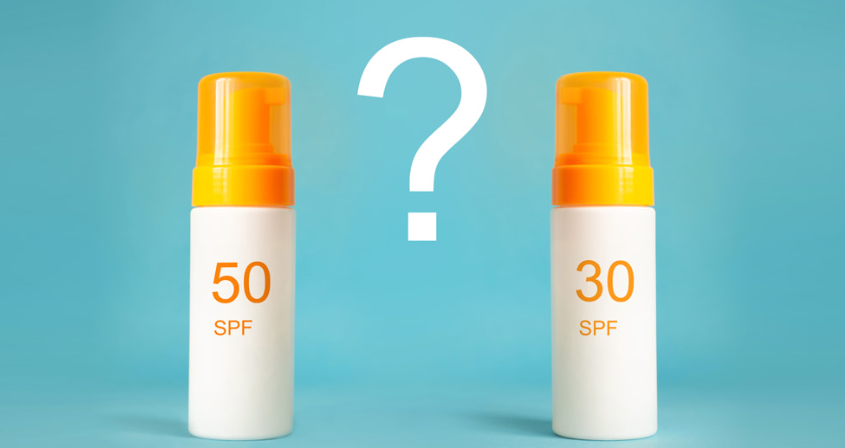
Choosing the right sunscreen can feel confusing, especially when you’re comparing numbers on labels. One of the most common skincare questions is about SPF 50 vs SPF 30 and whether the higher number truly makes a meaningful difference. While the variation may look small, understanding how SPF works can help you make a smarter choice for your skin’s health and long-term protection.
Sunscreen is a crucial weapon in the fight against early signs of aging, sunburn, and skin cancer. The difference between SPF 50 and SPF 30 enables you to customize your sun protection to your skin type and lifestyle.
What Does SPF Actually Measure?
SPF stands for Sun Protection Factor. It measures how effectively a sunscreen protects your skin from UVB rays, which are primarily responsible for sunburn and contribute to skin cancer risk. When evaluating SPF 50 vs SPF 30, the number reflects the percentage of UVB rays blocked.
SPF 30 filters out 96.7% of UVB rays, and SPF 50 filters out about 98%. It may not seem like that 1 percent difference is really all that significant. But if you look at SPF 50 vs. SPF 30 in terms of percentage protection, SPF 50 lets about 33% less UVB rays reach your skin compared to SPF 30. That difference can really add up when you’re in the sun for a long time, like at the beach, on a hike or playing outdoor sports.
Understanding the Real-World Difference
The discussion on SPF 50 versus SPF 30 usually comes down to use case. Although SPF 50 gives you a little more protection, no sunscreen can block 100% of UV rays. Both SPF 30 and SPF 50 should be applied liberally and reapplied every two hours to keep them working.
In reality, most people use less sunscreen than they should. Therefore, the protection you get is usually less than the number on the bottle. In this context, the comparison of SPF 50 vs SPF 30 becomes more meaningful too, because SPF 50 may act as a buffer still, to get good sun protection, it’s more important how you use your sunscreen than the SPF number.
Why SPF 50 vs SPF 30 Matters for Skin Aging
Sun exposure is the leading cause of premature skin aging. Wrinkles, fine lines, dark spots, and loss of elasticity are largely the result of cumulative UV damage. When considering SPF 50 vs SPF 30, even a slight increase in protection may reduce long-term sun damage.
Daily sunscreen use is one of the most effective anti-aging habits. For individuals who spend significant time outdoors, the difference between SPF 50 vs SPF 30 could mean less cumulative UV exposure over years and decades.
If preserving collagen and preventing hyperpigmentation are priorities for you, choosing a higher SPF may offer added reassurance, particularly in high-sun environments.
See also: How To Stop Biting Inside Of Cheek: Practical Strategies to Prevent Pain and Heal Faster
Skin Type and Lifestyle Considerations
Your skin type matters when it comes to deciding between SPF 50 vs SPF 30. Those with fair skin, freckles, or past sunburns may find the extra protection of SPF 50 useful. People who live in sunny areas or higher elevations also receive more intense UV rays.
Conversely, if you work indoors and are exposed to little midday sun, a properly applied SPF 30 can be enough. The debate for SPF 50 vs SPF 30 isn’t to proclaim one is better across the board, but to determine the best sunscreen for your daily activities and environment.
Knowing what makes you high risk helps make the decision more clear and practical.
The Importance of Broad-Spectrum Protection
When debating SPF 30 and 50, it is important to note that the SPF number only indicates the level of protection against UVB rays. They are also not taken into account in the SPF number as they are much less about sunburn, and more about deeper skin penetration and skin aging.
If you are going with SPF 30 or high SPF 50, just ensure it lists “broad-spectrum.” The real SPF 50 vs SPF 30 difference (considering UVA and UVB protection, look/application, and environment) is: 1.2%, 1.2% and 0.3% effectiveness in favour of SPF 50! A high SPF sunscreen without a broad-spectrum protection may keep your skin safe from sunburns and not from long term damage.
Does Higher SPF Change Behavior?
A fascinating facet of the SPF 50 vs SPF 30 discussion is psychological. People are uncomfortable with the idea of less protection, and a few days in the sun have convinced many that SPF 50 is essential. Such false sense of security could potentially increase total UV exposure when sunscreen can no longer be reapplied.
Here’s the thing: Both SPF 30 and SPF 50 need to be used responsibly. SPF 50 vs SPF 30 is determined by how well you apply your sunscreen based on how often and how wide a coverage you provide. Sun protection should also include protective clothing, shade, and avoiding the sun during its peak hours, if possible.
Final Thoughts on SPF 50 vs SPF 30
So, is it true that SPF 50 is better than 30? Technically, yes — but SPF 50 block just a small amount more UVB radiation. The margin may seem slight, but it may be meaningful over long periods of sun exposure, or for those at particularly high risk of sun damage.
At the end of the day, the choice between SPF 50 vs SPF 30 depends on your skin type, environment, and daily habits. Routine daily use – SPF 30 is usually sufficient if applied correctly. For extended periods of time outdoors, or for an extra margin of safety, SPF 50 might be the way to go. Whether you prefer one or the other, regular daily use of sunscreen is among the most potent actions you can take to protect your skin’s health and keep you looking young for years to come.