Change your incontinence pads every 3-4 hours during the day and immediately after any wetness or leakage. This simple routine protects your skin from damage and keeps you comfortable throughout your daily activities.
Most people dealing with urinary incontinence in Australia don’t realise how much proper changing schedules affect their bladder and bowel health. That’s why, at Ontex Healthcare, we help them manage continence with products designed for comfort and confidence.
From that experience, this article explains exactly when to change your continence aids and why timing is so important. Plus, you’ll learn about:
- The health risks of waiting too long
- Which factors affect your personal changing schedule
- How to match the right products to your needs
Let’s dig in.
The Right Changing Schedule for Your Incontinence Pads
Basically, the right time to change pads depends on your absorbency needs, but general guidelines help you create a safe changing routine.
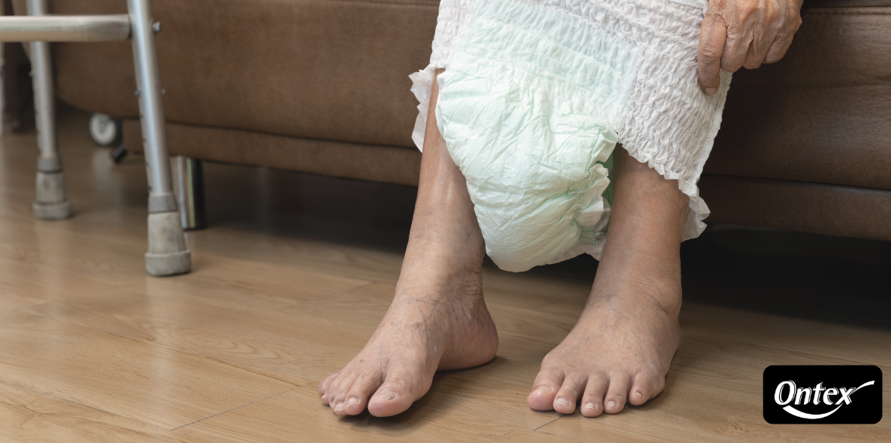
As we’ve mentioned earlier, change pads every 3-4 hours during the day, or immediately after you feel wetness or leakage. That’s because bladder activity isn’t always consistent, and changing pads at the right time helps prevent skin issues.
Meanwhile, nighttime pads can last 6-8 hours if they’re designed for overnight protection and higher absorbency. These products use special materials to lock away urine and prevent it from sitting against your skin. For more comfort, some variants even use extra capacity, which means you can sleep through the night without interruption.
Your personal continence management plan might require different timing depending on your incontinence level. For instance, some people with stress incontinence need to change more often during physical activity, while others with urge incontinence follow different schedules.
In this case, a doctor can help you work out what fits your bladder health best.
What Happens When You Don’t Change Often Enough
Leaving wet pads on too long damages your skin and creates embarrassing problems you can easily avoid.
So, you’d better watch out for the following two main issues before ignoring proper continence management schedules:
Skin Problems From Wearing Wet Pads
When you wear a wet pad for too long, moisture stays against your skin, which weakens its natural barrier and leads to painful rashes or sores.
Besides, when urine sits on your skin for hours, it changes the pH balance and makes the tissues vulnerable to damage. Now, you might be wondering how quickly skin damage happens. Well, it can start within just a few hours of constant moisture exposure.
Bacteria also multiply quickly in warm, wet environments, causing urinary tract infections (UTI) that require medical treatment down the road. These infections even cause burning sensations when you use the toilet.
This way, prolonged contact with urine damages delicate skin and increases the risk of irritation or breakdown without barrier cream protection.
Odour and Comfort Issues
Urine sitting in pads for too long creates strong ammonia smells, which may affect your confidence. It’s because the longer the pads stay wet, the more bacteria break down urine into compounds, producing noticeable odours (and yes, we’ve all had that moment of panic, wondering if others notice).
Wet pads are also uncomfortable and heavy, and they can get in the way of walking, sitting, or going about your day. As a result, the discomfort gets worse as material shifts out of position.
When this happens, people around you might notice odours even when you can’t. Plus, it may affect your social interactions and make every toilet visit more stressful.
Factors That Affect How Often You Change Pads
Your changing schedule isn’t one-size-fits-all because several personal factors determine how quickly pads saturate.
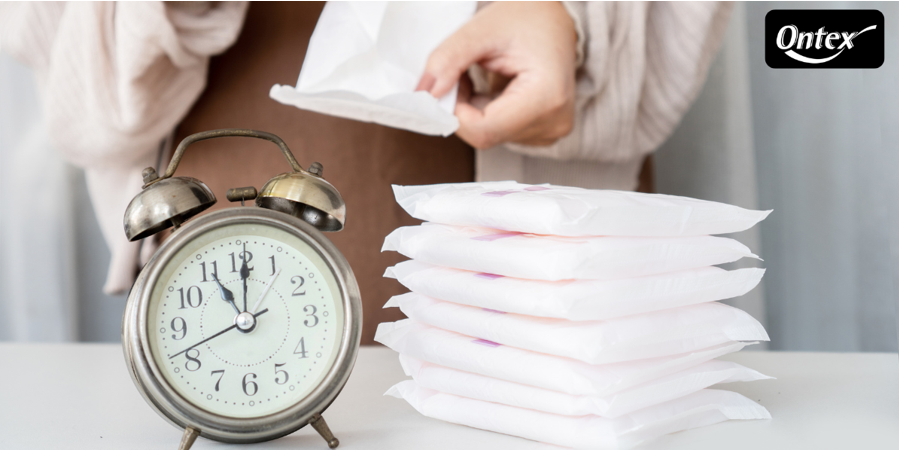
That’s why understanding those factors helps you to create a routine that works for your body
Your Incontinence Level and Bladder Health
Different types of urinary incontinence affect how often you need fresh pads. Generally, the heavier your leakage, the more vigilant you need to be about timing.
Here’s what influences your schedule:
- Heavy leakage requires shorter intervals between pad changes compared to light bladder drips throughout the day
- Bladder and bowel conditions, like an overactive bladder (OAB), mean you’ll saturate pads faster than others, sometimes needing changes every 2-3 hours
- Medications or drinks like coffee increase urine production, so you need fresh pads sooner than people who avoid these triggers
Bottom line: People with stress incontinence often leak urine during coughing or exercise, while those with urge incontinence experience sudden rushes to the toilet. Hence, both types need different approaches to timing.
The Type of Continence Aids You’re Using
Let’s have a look at the types of continence aids and their capacity with recommended changing time:
| Product Type | Typical Capacity | Recommended Change Time |
| Light pads | 100-200ml | 4-5 hours |
| Moderate pads | 300-500ml | 3-4 hours |
| Heavy/overnight | 800-1200ml | 6-8 hours |
Verdict: Basic pads hold less fluid than premium continence products designed with superabsorbent technology. On the flip side, overnight pads have extra capacity and can safely last through sleeping hours without leaks.
See also: How To Stop Biting Inside Of Cheek: Practical Strategies to Prevent Pain and Heal Faster
Your Pelvic Floor Muscles and Risk Factors
Sometimes, weakened pelvic floor muscles from childbirth or ageing cause unpredictable leaks needing regular pad changes. These muscles support your bladder, and when they lose strength, you have less control over when urine comes out.
Similarly, health conditions like diabetes or musculoskeletal conditions affect how often you can physically change pads because they limit your mobility.
Your activity level also counts because exercise and movement can trigger leaks that require immediate attention. For instance, running, jumping, or even walking quickly puts pressure on weak muscles. approach with their doctor.
Building Your Continence Management Plan
The best part about working with professionals is getting a personalised schedule fitting your daily routine.
As we get older, our bodies change in ways affecting bladder control. In this situation, professional support helps you adapt to these changes and find solutions working for your specific situation.
From there, the focus shifts to creating a plan matching your lifestyle.
Working With a Continence Assessment Professional
A proper continence assessment identifies your specific leakage patterns and helps determine ideal changing schedules. It’s because healthcare professionals look at your person’s medical history, bladder diary entries, and current symptoms to understand what’s happening.
Through our practical knowledge working with continence care, we’ve seen how personalised assessments make all the difference in finding the right schedule. They create management plans matching your lifestyle, budget, and incontinence type.
That’s how regular check-ups with your doctor adjust your continence management plan as your bladder and bowel health change over time.
Getting Support From the National Continence Helpline
The Continence Foundation of Australia runs this service and connects you with local continence advisor services and practical information. They also help you find funding options that make continence management more affordable across Australia.
The National Continence Helpline also offers free support for anyone managing urinary incontinence in Australia (completely free, completely confidential).
That’s why call 1800 330 066 for advice about continence hygiene and product selection. Their trained continence nurse advisors answer questions about changing routines, skin care, and finding the right continence aids.
Different Continence Products for Different Needs
Now that you know when to change, let’s look at which products match your specific incontinence level.
- Light Pads for Occasional Drips: These work beautifully for 4-5 hours during normal daily activities. People with mild stress incontinence who leak small amounts when coughing or laughing find them discreet and comfortable. Additionally, they’re thin enough to wear under any clothing without bulk.
- Moderate Absorbency Products: Generally, they need to be changed every 3-4 hours and absorb more fluid than light versions. Its extra protection gives you confidence during work or social activities where toilet access might be limited.
- Heavy-Duty Overnight Options: Sleep cycles stay uninterrupted with these continence products designed for 6-8 hours of protection. Its advanced materials lock away urine and prevent it from reaching your skin during rest.
- Washable Continence Aids: For people who want to reduce waste without sacrificing performance, reusable pads can be a great choice. They’re cost-effective for long-term continence management in Australia and can be changed as frequently as needed.
Based on our firsthand experience helping Australians choose protection, matching absorbency to your needs prevents both waste and discomfort. On top of that, the right products make toilet visits less stressful and support better health management overall.
Taking Control of Your Continence Hygiene
Changing your incontinence pads at the right times protects your skin, prevents infections, and keeps you comfortable throughout the day. Most people in Australia managing continence issues find that following a regular schedule makes life much easier.
Remember, your personal situation might need adjustments based on your bladder and bowel health, activity level, and the type of continence products you’re using.
Don’t let confusion about changing schedules hold you back from better continence management. Ontex Healthcare offers a range of products designed specifically for Australian needs.
Contact us today to find the right protection and schedule for your lifestyle.