Power interruptions interfere with comfort, safety, and communication at home. A solar generator provides a clean, quiet, and fuel-free solution to keep critical electronics operating when the power goes out. Unlike gas generators, solar versions charge from the sun, function indoors and outdoors, and require less maintenance. Whether the blackout lasts hours or days, a good solar backup system can power appliances, the internet, and medical equipment. This article explains how solar generators work, how to size one for home usage, and why they’re an effective answer for modern homes seeking dependable backup without noise, emissions, or ongoing fuel expenditures.
Why Are Solar Generators a Smart Home Backup Solution?
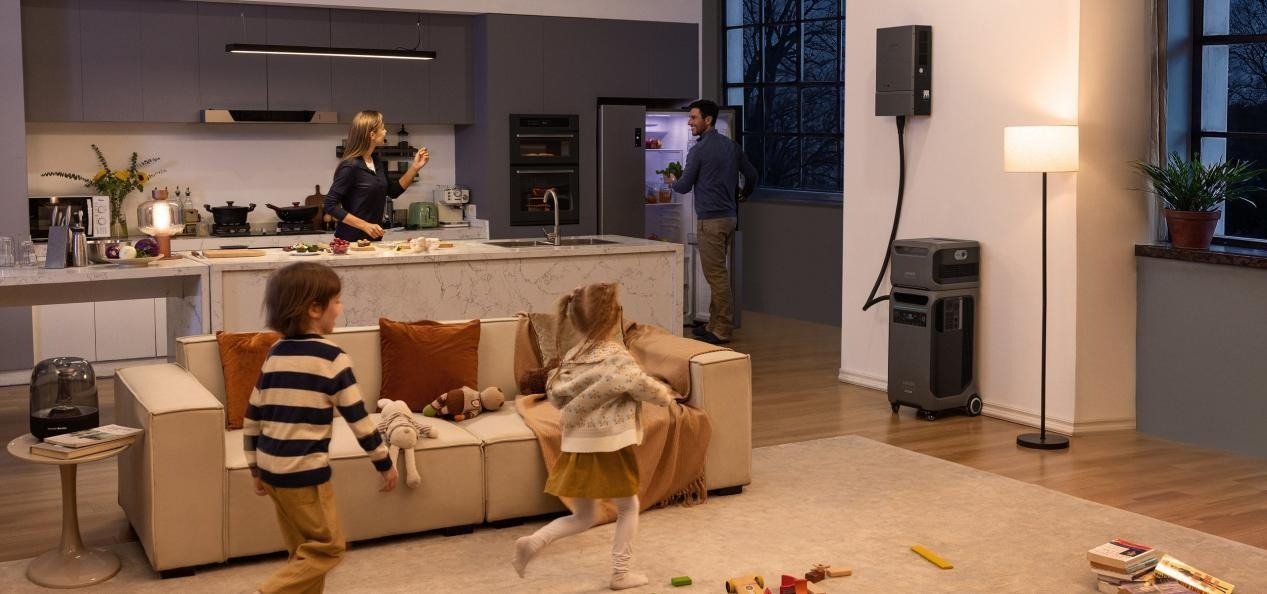
Solar generators offer a clean, quiet, and cost-effective backup power option that eliminates the noise, fumes, and maintenance requirements of gas generators. They recharge with free sunshine, store energy for days, and power critical gadgets without interruption. Modern variants have several ports, Wi-Fi monitoring, and smart power management. They are safer to use inside or in garages with sufficient ventilation because they do not require fuel storage. Solar systems lower your carbon footprint and save you money on fuel over time. Solar generators provide peace of mind during outages by powering a few lights or keeping a refrigerator and router operational. They also help long-term environmental goals.
What Can Solar Generators Power During a Home Outage?
Running Essential Appliances and Home Electronics
Solar generators can keep vital household appliances operating during an outage, such as microwaves, televisions, coffee makers, and washing machines, if their capacity fits the load. A 1,500W generator can easily power a microwave (1,000W) or a TV/laptop combination. High-drain goods, such as vacuum cleaners or toasters, may require more surge support, so verify the inverter specifications. Use power strips to combine lower-wattage devices for more efficient use. Many technologies, such as routers, laptops, and tablets, consume less than 100 watts and may operate for hours on a medium-sized battery. A solar generator helps to preserve comfort and productivity until grid power is restored by prioritizing what it powers and staggering high-draw equipment.
Supporting Refrigerators, Medical Devices, and Wi-Fi
A solar generator can power important equipment such as refrigerators, medical devices, and internet systems during outages. Modern energy-efficient freezers require between 150 and 300 watts and cycle on and off, making them suitable for a 1,000-2,000Wh solar system. A solar generator can safely power CPAP equipment and oxygen concentrators, which typically consume 30-70 watts and require a pure sine wave inverter. Wi-Fi routers and modems consume just 10-20 watts and allow work, calls, and notifications to continue uninterrupted. During protracted outages, reliable electricity supports safety, food preservation, and internet communication. Always calculate your generator’s runtime requirements and verify that it can endure nighttime or multi-day use.
Powering Lights, Fans, and Emergency Charging Needs
Lights, fans, and emergency charging are all low-wattage but high-priority usage during power outages. LED lights generally consume 5-10 watts each, allowing numerous rooms to remain illuminated with minimum battery usage. Portable fans, which consume 10-30 watts, provide comfort in hotter regions. Charging phones, radios, and power banks uses very little electricity—about 5-15 watts per gadget. A 1,000Wh solar generator can provide these requirements for several days if bigger appliances are used sparingly. Solar units include built-in USB connections and DC outlets, allowing you to charge numerous devices at once. Keeping the lights on, remaining cool, and connected are critical during a blackout, and solar generators do these jobs with ease.
How Do You Choose the Right Solar Generator for Home Backup?
Estimating Household Power Needs and Runtime
Begin by identifying key equipment and their wattages, then multiply by the number of hours each will be required during a normal power outage. This calculates your anticipated daily watt-hour (Wh) requirement. Create a 20-30% cushion for safety and energy loss. For example, if your fridge, lights, and electronics consume 1,200Wh each day, look for a generator that produces at least 1,500Wh. If you need nighttime coverage, think about load cycling and staggering use. Avoid underestimating power requirements, as this reduces runtime and restricts what you can perform. Matching your generator to your real daily demand guarantees that it will work reliably when the grid is down for a lengthy period.
See also: Breakthrough Technologies You Can’t Ignore
Battery Capacity, Inverter Size, and Expandability
Battery capacity influences how long your solar generator will operate, but inverter size dictates how many watts it can generate at once. For home backup, use a unit with at least 1,000-2,000Wh and 1,000-2,000W continuous output. Look for surge capacity that surpasses initial loads in equipment such as refrigerators and pumps. Some types include extendable batteries or swappable packs for extended outages. If you intend to use solar charging, ensure that the input capacity supports 200W or higher. A balanced system provides flexibility, extended usage, and sufficient output to power several devices without tripping or depleting too rapidly under load.
Installation Options, Transfer Switches, and Safety
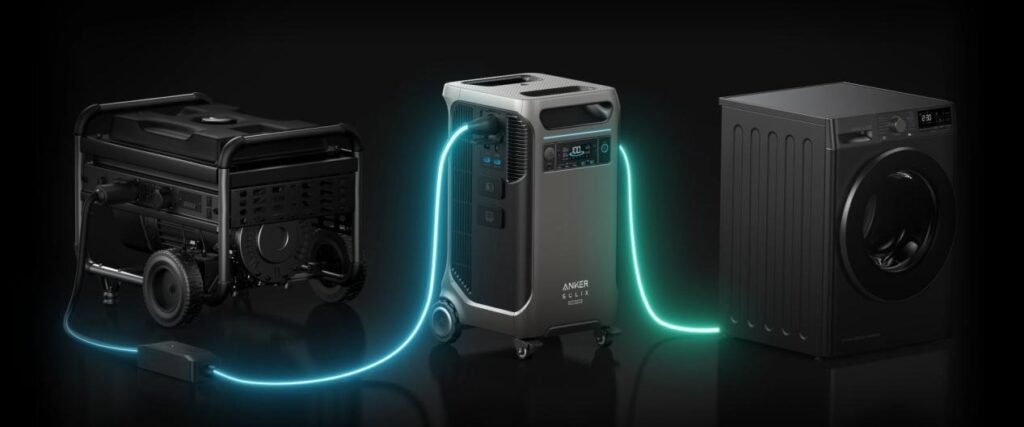
For seamless home integration, look for a solar powered generator that works with manual or automatic transfer switches. These link the generator to your home’s electrical system and allow you to power certain circuits during an outage. Ensure that the generator’s output meets the transfer switch rating. For portable installations, connect crucial devices using extension cables. Use pure sine wave inverters for delicate devices, and never exceed the unit’s rated capacity. Keep the solar-powered generator in a dry, well-ventilated environment, and protect the cables from damage. Overload protection, short-circuit cutoff, and temperature monitoring guarantee that home backup applications operate safely and for an extended period of time.
Conclusion
Solar generators are dependable, environmentally friendly home backup alternatives for power shortages. They ensure that your vital appliances, medical gadgets, and communication gear work securely without the need for gas or noisy engines. By analyzing your power requirements, selecting the appropriate battery and inverter size, and preparing for safe operation, you can build a solid backup system for your house. With solar power, your generator recharges day after day, even during lengthy outages. Solar generators provide constant, quiet power when you need it the most, without the fuel, fumes, or stress of standard backup systems.