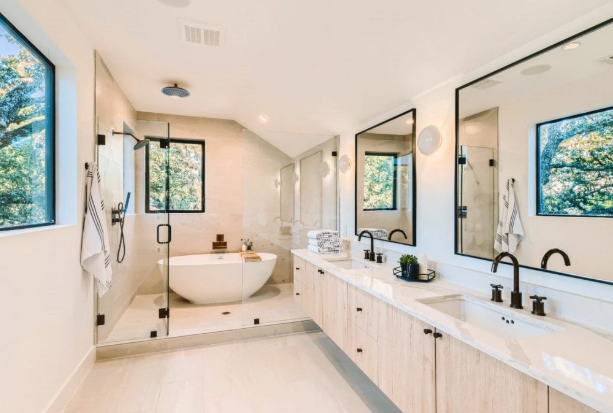
You want a bathroom that looks great, functions smoothly, and adds value to your home without surprises. Bathroom Renovations Contractors combine clear planning, licensed tradespeople, and proven project management to handle design, plumbing, electrical work, and finishes so your remodel stays on schedule and on budget.
This article breaks down how to evaluate contractors, what to expect when working with professionals, and practical steps to avoid costly mistakes. Expect actionable guidance that helps you pick the right team and manage the renovation with confidence.
Choosing the Right Bathroom Renovations Contractors
Pick a bathroom renovations contractor who matches your project size, timeline, and budget. Focus on clear communication, verifiable credentials, and a record of finished projects that match your style and technical needs.
Key Factors to Consider
Start by defining your scope: full gut, layout change, or cosmetic update. This determines whether you need a general contractor, a specialist (tile/plumbing/electrical), or a design-build firm.
Check references and recent photos of completed jobs similar to yours. Ask for at least three references and follow up with direct questions about schedule adherence, change orders, and cleanup.
Compare three written estimates that break out labor, materials, permits, and contingency. Watch for unusually low bids—those often hide subcontractor issues or material substitutions.
Confirm project timeline milestones and a payment schedule tied to completed work. Insist on a written contract that lists materials, brands, warrantees, and a clear process for handling change orders.
Licensing and Insurance Requirements
Verify the contractor’s state and local licenses for plumbing, electrical, and general contracting as required where you live. Ask for license numbers and check them on the issuing agency’s website.
Require proof of general liability insurance and workers’ compensation for all on-site workers. Request certificates of insurance naming you as additional insured during the project if possible.
Confirm the contractor pulls required permits and schedules inspections. Unpermitted work can void warranties and insurance claims, create resale complications, and lead to fines.
Document all license and insurance details in the contract. If a contractor can’t provide valid proof, treat that as a red flag and continue your search.
Evaluating Experience and Expertise
Look for contractors with a portfolio of projects that match your materials and scope—wet-room showers, heated floors, or plaster vs. drywall finishes—depending on your needs. Specific experience reduces surprises.
Ask about in-house trades versus subcontractors and who will be your day-to-day contact. Know which tasks the contractor handles directly and which are outsourced, including the names and credentials of key subs.
Request details on warranties for workmanship and manufacturer product warranties. Ask how they handle defect claims after completion and get that process in writing.
Evaluate communication style during bids: punctuality, clarity in estimates, and responsiveness predict how they’ll manage your project. Trust your judgment when assessing professionalism and problem-solving ability.
Working with Bathroom Renovation Professionals
Working with contractors requires clear communication about scope, timeline, and budget. Expect structured steps: an on-site assessment, collaborative design decisions, and transparent cost estimates with contingencies.
Initial Consultation and Project Assessment
During the first visit, the contractor will inspect plumbing, electrical, structural elements, and existing finishes. You should provide access to the space, any floor plans, and a list of must-haves so they can identify constraints like load-bearing walls, venting, or code compliance.
The contractor typically measures the room, photographs key areas, and notes hidden issues such as water damage or mold. Ask for a written scope that lists demolition, rough-in work, fixture replacements, and who handles permits.
Confirm the proposed start date, expected duration, and whether they’ll work on one bathroom at a time if you have multiple. This prevents surprises and lets you plan alternate bathroom use.
Design Collaboration and Material Selection
You’ll review layout options, fixture models, tile sizes, and finishes with the contractor or an on-staff designer. Bring inspiration photos, a prioritized feature list, and your preferred brands to speed decisions and avoid back-and-forth delays.
Use a short decision checklist: fixture specs (dimensions, rough-ins), tile/surface samples, lighting type, and storage needs. Contractors often source materials and can provide trade pricing; request sample approvals before bulk orders.
Clarify lead times for specialty items (vanities, mirrors, custom glass) and who bears cost for late changes. Ask for a simple schedule showing when selections are due to keep the project on track.
See also: Online Psychotherapy: Evidence-Based Strategies for Effective Virtual Mental Health Care
Cost Estimates and Budget Planning
Request a written estimate that separates labor, materials, permits, and contingency (typically 10–20%). Compare line items: demolition, plumbing, electrical, tiling, cabinetry, and finishing. This helps you spot omissions or inflated allowances.
Decide on a fixed-price contract or a time-and-materials arrangement and get payment milestones in writing. Keep a prioritized list of upgrades so you can defer nonessential items if costs exceed budget.
Confirm who pays for unforeseen repairs discovered during demo and set an approval threshold for change orders to avoid unexpected charges.