Water in a basement threatens your home’s structure, stored belongings, and indoor air quality — you need practical waterproofing, not guesswork. You can stop leaks and prevent mold by choosing the right combination of interior sealants, exterior coatings, drainage systems, and a reliable sump pump for your situation.
This article shows how waterproofing works, why different methods matter for different foundations, and how to weigh cost, durability, and effectiveness so you can act with confidence.
Expect clear guidance on common approaches — from interior sealants and French drains to exterior excavation and foundation coatings — so you can pick a solution that fits your home and climate.
Understanding Basement Waterproofing
You will learn what basement waterproofing actually does, why basements leak, and the clear signs that show waterproofing is needed. Expect concrete causes, practical signs, and the core idea of stopping water at the foundation.
What Is Basement Waterproofing
Basement waterproof prevents groundwater and surface water from entering your basement and damaging finishes, stored items, or the foundation. It includes exterior measures (drainage, exterior membranes, soil grading) and interior measures (sealants, interior drains, sump pumps).
Exterior methods stop water before it reaches the foundation wall; they typically involve excavating, installing an exterior drainage membrane or weeping tile, and reinstating positive grade around the house. Interior methods collect and remove water that crosses the wall or floor, using channel drains, perimeter drains, and a sump pump.
You should choose methods based on the leak source, soil type, water table, and budget. For example, high groundwater or hydrostatic pressure usually requires an exterior system plus an interior drain and sump.
Common Causes of Basement Water Problems
Poor exterior grading lets surface runoff flow toward your foundation instead of away from it. Compact soil, downspouts that discharge near the foundation, and missing gutter extensions commonly cause this problem.
Hydrostatic pressure from a high water table forces water through small cracks and porous concrete. Seasonal snowmelt or heavy rain events raise the water table and increase pressure on foundation walls and slabs.
Cracks and penetrations—settlement cracks, cold joints, or gaps around service penetrations—provide direct paths for water. Clogged or damaged exterior drains and failing waterproofing membranes also allow sustained moisture intrusion.
Signs Your Basement Needs Waterproofing
Look for visible water entry: active seepage, puddles, or dripping along foundation walls or at floor-wall joints. These indicate ongoing intrusion that won’t stop without drainage or a barrier.
Check for moisture-related materials signs: peeling paint, efflorescence (white mineral deposits), musty odors, and mold growth. These often appear before large leaks and signal chronic dampness.
Also note structural and surface clues: new or widening cracks in walls or floors, bulging or bowed walls, and rising humidity or condensation on cold surfaces. Recurrent sump pump cycling or unexplained increases in utility bills related to dehumidification also point to inadequate waterproofing.
See also: Anxiety Disorders in Teens: Recognizing Symptoms, Causes, and Effective Treatments
Methods and Solutions for Basement Waterproofing
You will learn practical ways to stop water, control groundwater, and manage interior moisture using targeted products and systems. The following methods focus on where water comes from and how to move or block it effectively.
Interior Waterproofing Techniques
Interior methods stop or redirect water that has already reached the foundation or is seeping through walls and floors. Use epoxy or polyurethane crack injections for hairline to 1/4″ foundation cracks; these permanently seal the gap and prevent active seepage.
Apply cementitious or elastomeric interior sealants to poured concrete or block walls to reduce minor dampness; these are best for slow, non-pressure moisture.
Install an interior perimeter drain (channel drain) beneath the slab tied to a sump pump to collect groundwater before it crosses the floor surface. Sump pumps should have a battery backup and a float switch; test them seasonally.
Use a dehumidifier rated for basement square footage to control humidity and reduce mold risk; set it to 50% RH or lower if you store sensitive items.
Exterior Waterproofing Methods
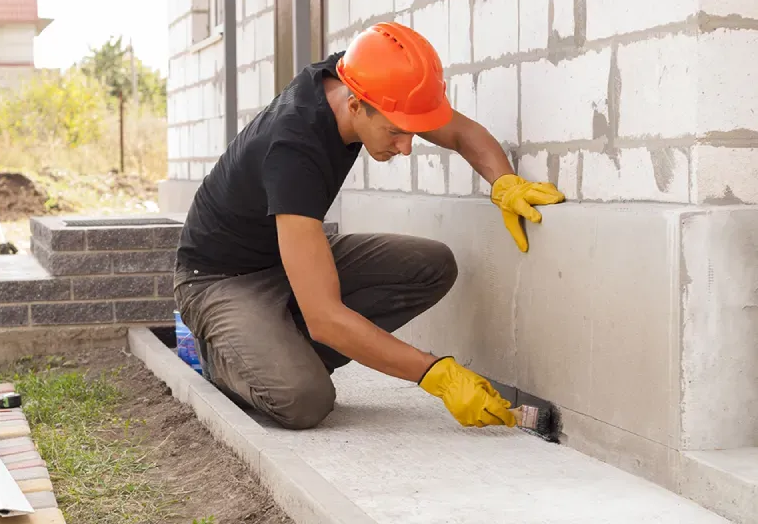
Exterior systems address water before it reaches the foundation wall; they perform best when you excavate to the footing and apply a continuous barrier. Remove soil to the footing, repair visible cracks from the outside, then apply a waterproof membrane (rubberized asphalt or polymeric) that extends from footing to grade.
Add rigid insulation outside the membrane where codes or climate require it; it improves thermal performance and protects the membrane.
Install an exterior drainage layer — typically a gravel bed plus a perforated drain pipe (French drain) at footing level — to move water to daylight or a storm system. Ensure gutters and downspouts discharge at least 6 feet from foundation or into a properly sized underground drain.
Grade the landscape to slope away from walls at 5% for the first 10 feet when possible to reduce concentrated surface runoff.
Choosing the Right Waterproofing System
Match the solution to the water source, soil conditions, and how you use the basement. For hydrostatic pressure or active leaks, prioritize drainage (exterior French drain or interior perimeter drain with sump pump) and structural crack repairs.
For moisture from condensation or minor seepage, use interior sealants, vapor barriers, and dehumidification to create a dry environment without major excavation.
Consider cost, disruption, and lifespan: exterior excavation and membranes typically last longer but cost more and require heavy work. Interior systems cost less upfront and are less disruptive, but they channel water into the home’s sump system.
Have a soil and grading assessment if you suspect high groundwater, poor lot drainage, or expansive clay; these conditions change which system performs reliably.
Professional Vs. DIY Waterproofing
DIY suits simple tasks: sealing hairline cracks, patching mortar joints, installing gutters, adding a dehumidifier, or applying interior sealants. These projects keep costs low and are effective for minor problems when you follow product instructions and safety precautions.
Hire a professional for exterior excavation, deep foundation crack repairs under hydrostatic pressure, installing a reliable perimeter drain tied to a sump, or when structural settlement exists. Professionals provide diagnostics (flood source mapping, camera inspections) and warranties.
Ask a contractor for references, proof of insurance, and a written scope that names materials, access points, and warranty terms. Get multiple bids and compare specifics: pump capacity (GPM), pipe size, membrane type, and cleanup/restoration obligations.