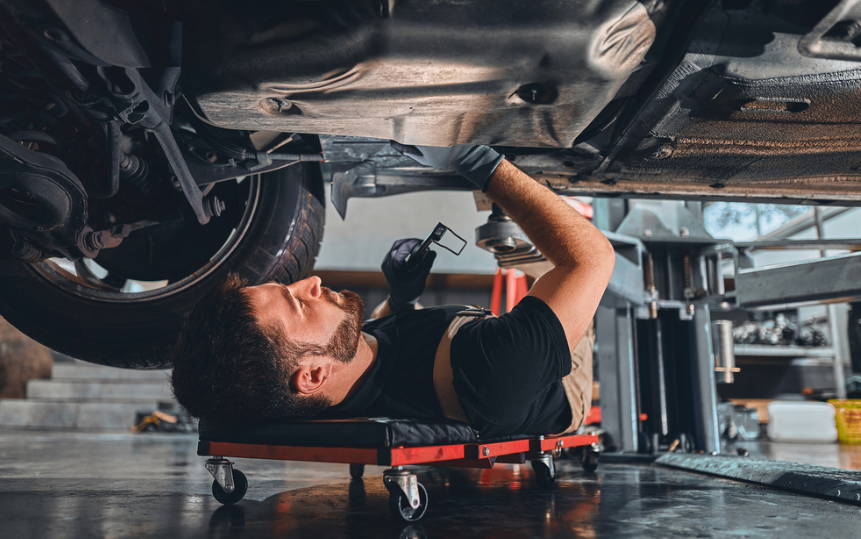
Your garage is often the part of your home that gets used the least and maintained even less, a place where random boxes, forgotten tools and old furniture end up collecting dust. What many people don’t realise is that neglecting this space doesn’t just make it messy, it creates the perfect conditions for pests like cockroaches to thrive, moisture damage to build up, and even vehicles to deteriorate before you notice. Over time, what seems like a harmless storage area can quietly become a source of costly repairs and safety issues.
The Garage Nobody Maintains
Garages are typically unheated, poorly ventilated and far from daily household activity, which makes them attractive to pests and humidity alike. Moisture can seep in from the ground, condensation builds up on cool surfaces, and with limited airflow, damp conditions take hold. These conditions not only encourage insects and other pests, but they also accelerate the breakdown of metal and rubber components on anything stored inside, including your vehicle.
Cluttered corners become a buffet for cockroaches, mice and other critters. Items like cardboard boxes, food debris or pet supplies are irresistible to these pests because they offer both shelter and food sources. Cracks in walls, gaps under doors and damaged insulation make entry easy, meaning infestations can start quietly and spread rapidly before you ever see a sign.
See also: Blockchain Technology in Business
What Cockroach Activity in Your Garage Really Signals
Seeing a cockroach in your garage isn’t just “a nuisance”, it’s a symptom that environmental conditions inside the space are favourable for pests. Cockroaches thrive in dark, warm, damp areas where clutter and moisture are present. They don’t need your garage to be exceptionally dirty; even small moisture sources, like leaky pipes or condensation around stored items, are enough to keep cockroaches alive and reproducing.
Once established, cockroaches multiply quickly. Their presence can contaminate the environment with droppings and shed skins that carry bacteria and allergens, potentially impacting health when the garage connects to your home. They can also migrate into a vehicle parked inside the garage, hiding in warm nooks and crannies, leaving droppings and contamination behind.
How These Conditions Quietly Affect Your Vehicle
A neglected garage doesn’t just breed pests; it can subtly damage your car before you notice. Moisture and humidity in the garage air, especially in poorly ventilated spaces, lead to rust forming on metal parts. Rust doesn’t wait until it’s visible; it begins where you can’t see it first, on brake lines, undercarriage components and other vulnerable surfaces.
Insects and pests aren’t harmless either. While cockroaches don’t eat metal, their droppings and secretions can accumulate in hidden areas, grime that can contribute to clogs in air vents, filters and other parts over time. More significantly, rodents and larger pests attracted by similar garage conditions are known to chew wiring, hoses and insulation, but even insects can nest near components that are sensitive to blockage or contamination.
Why Brake Components Suffer Most in Damp, Neglected Spaces
One of the first parts of a car to be affected by a damp garage environment is the braking system. Brake lines, rotors, pads and related hardware are all vulnerable to corrosion when exposed to humidity and condensation over long periods. Rust on brake lines can lead to leaks or weakening of critical components, reducing braking performance or, in extreme cases, leading to failure.
This is especially concerning because brake components are vital for safety. What might start as subtle rust or binding at a calliper can deteriorate into costly repairs or unsafe driving conditions if left unchecked. Regular exposure to moisture and the presence of pests that thrive in similar conditions accelerate this wear, making routine car care and garage maintenance equally important.
Fixing the Pest Issue Properly
If you’re already noticing signs of insects or critters in your garage, superficial fixes, like spritzing a can of spray or setting a few traps, rarely solve the root problem. What’s needed is a structured approach that addresses both the pest activity and the environmental conditions that attract them.
A cockroach exterminator can assess the situation, identify hotspots, and apply treatments that target the source rather than the symptoms. Professionals use methods such as targeted baits and strategic barrier treatments in combination with structural repairs, making infestations less likely to return.
Simply killing visible pests won’t keep them from coming back if gaps, moisture sources and entry points remain. Professional pest control includes advice on sealing walls and doors, managing moisture and removing clutter that provides shelter. Working with a qualified exterminator not only eliminates existing infestations but also helps protect the space against future ones.
Getting the Vehicle Checked Before Damage Compounds
Just as you address the pest problem structurally, you should inspect your vehicle if it’s been parked in a neglected garage for extended periods. Even without visible insect presence, extended exposure to high humidity and stagnant air can affect braking components, suspension parts and chassis hardware.
Booking your car in with a reliable brake repair service in Newcastle (or your local equivalent) for a thorough inspection ensures any corrosion or wear is caught early. This is especially important if you’ve noticed squeaking, reduced braking response, or unusual vibrations, all potential signs of brake wear aggravated by moisture exposure.
A professional mechanic can assess areas that aren’t easy to evaluate visually, such as internal brake lines and hoses that might be corroding from the inside out. Early diagnosis allows repairs or replacements before more serious (and expensive) issues develop. Maintaining your car’s braking system isn’t just about longevity; it’s critical for your safety on the road.
A Practical Prevention Approach
Fixing the immediate pest problem and servicing your vehicle are important, but the real key to long-term prevention is consistent maintenance. Start by decluttering the garage, removing cardboard boxes, old papers and any stored food items that attract pests. Replace cardboard with sealable plastic containers, which are less hospitable to insects.
Seal cracks, gaps and openings around garage doors and windows with weather-proofing materials to reduce entry points. Regular sweeping, removing standing water and checking for leaks will reduce moisture accumulation and make the environment less attractive to pests and rust acceleration alike.
Invest in improving ventilation if possible; increasing airflow under a roof or via vents lowers humidity levels, reduces condensation and limits the comfort zone for pests. Combining structural improvements with professional pest control and vehicle maintenance creates a protective cycle that preserves both your garage and your car.
Conclusion
Neglecting your garage isn’t just a housekeeping issue, it creates a chain reaction that affects pests, your stored belongings and even your vehicle’s safety. Humid, cluttered and poorly sealed garages attract pests like cockroaches that thrive unseen, while also providing conditions that accelerate corrosion and wear on critical car components, especially brakes.
Addressing the problem at its source with thorough pest management from a cockroach exterminator and proactive vehicle inspections from a brake repair service in Newcastle helps you avoid expensive surprises and extend the life of your car. Consistent cleaning, sealing and moisture control tie it all together, turning a forgotten space into a functional, safe part of your home.
FAQs
Why do cockroaches infest garages more than other parts of a house?
Garages offer dark, moist, undisturbed environments with food and shelter cues, making them ideal for pests to settle and reproduce if not properly maintained.
Can pests inside a garage damage my car?
Yes. Insects and rodents can block vents and contaminate interiors, and conditions that attract pests, like humidity, also promote rust and corrosion on vehicles.
How often should I inspect my garage for pests?
Regular inspections, especially every few months or after seasonal weather changes, help catch early signs of infestation before they become established.
Is DIY pest treatment enough for garage infestations?
DIY methods may help small problems, but professional pest control ensures targeted elimination and structural advice to prevent recurrence.