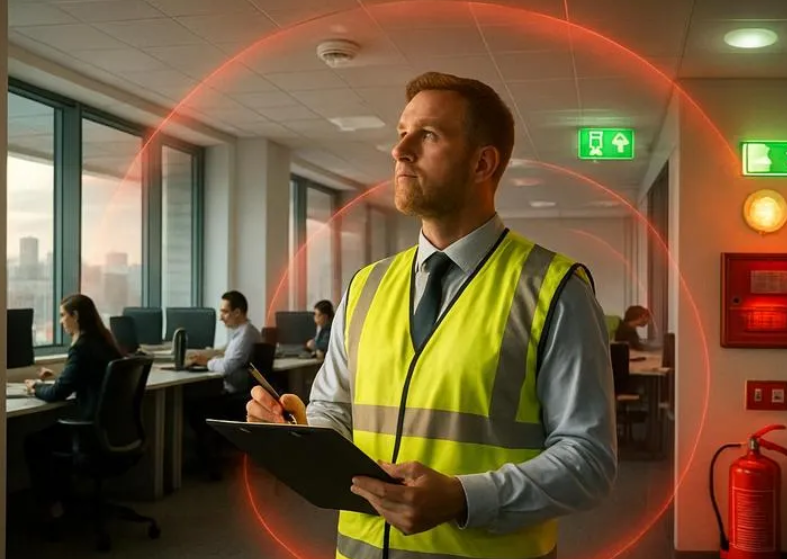
Fire is a serious threat that can strike unexpectedly, causing injuries, loss of life, and extensive property damage. A Fire Risk Assessment is a critical safety measure that helps organizations identify hazards, evaluate risks, and implement preventive strategies to reduce the likelihood and impact of fire incidents.
What is a Fire Risk Assessment?
A Fire Risk Assessment is a structured process to identify potential fire hazards, assess the risks to people and property, and determine measures to control and minimize these risks. It helps organizations ensure safety, comply with legal requirements, and prepare for emergency situations. Regular assessments are necessary to adapt to changes in the building, staff, or operations.
Importance of Fire Risk Assessment
The importance of conducting a fire risk assessment includes:
- Protecting Human Life: The primary goal is to ensure the safety of employees, visitors, and contractors.
- Preventing Property Damage: Fires can destroy buildings, equipment, and valuable assets. Assessments help reduce these risks.
- Legal Compliance: Fire risk assessments are often mandatory under workplace safety regulations.
- Maintaining Business Continuity: Preventing fires ensures uninterrupted operations and reduces financial losses.
- Insurance Compliance: Insurers may require a documented fire risk assessment for coverage.
See also: Custom Home Construction Toronto: Expert Planning, Design, and Build Guidance
Steps to Conduct a Fire Risk Assessment
A comprehensive Fire Risk Assessment follows a structured methodology:
1. Identify Fire Hazards
The first step is to identify potential sources of fire, including:
- Electrical equipment and faulty wiring
- Flammable liquids, gases, and chemicals
- Combustible materials such as paper, wood, and textiles
- Heating systems, cooking appliances, and open flames
2. Identify People at Risk
Determine who could be affected in a fire:
- Employees and staff members
- Visitors and customers
- Contractors and maintenance personnel
- Vulnerable individuals, including children, elderly, or disabled people
3. Evaluate Risks
Assess the likelihood of a fire occurring and its potential consequences. This step helps decide on preventive measures, such as:
- Installing fire alarms and smoke detectors
- Providing fire extinguishers and suppression systems
- Maintaining clear and accessible emergency exits
- Proper storage and handling of flammable materials
4. Record Findings
Document all findings in a fire risk assessment report. The report should include:
- Identified fire hazards
- People at risk
- Control measures in place
- Recommendations for improvement
5. Review and Update
Fire risk assessments should be regularly reviewed and updated, especially when:
- Changes are made to the building layout or structure
- New equipment, chemicals, or processes are introduced
- Staff numbers or roles change
- Fire safety regulations are updated
- Any fire incident or near-miss occurs
Fire Safety Measures
Organizations should implement the following fire safety measures:
- Install smoke detectors, fire alarms, and heat sensors
- Provide fire suppression systems like sprinklers and extinguishers
- Ensure emergency exits are marked and unobstructed
- Conduct regular fire drills and staff training
- Handle and store flammable materials safely
- Maintain electrical and fire safety equipment regularly
Benefits of Fire Risk Assessment
A well-conducted fire risk assessment offers multiple advantages:
- Reduces the likelihood of fire incidents
- Protects human life and minimizes injuries
- Limits damage to property and assets
- Ensures legal and regulatory compliance
- Improves emergency preparedness and response
- Promotes a safety-conscious culture within the organization
Conclusion
A Fire Risk Assessment is an essential practice for any organization, building, or workplace. By identifying hazards, evaluating risks, and implementing preventive measures, businesses can protect lives, safeguard property, and ensure compliance with regulations. Regular reviews, proactive safety measures, and staff training are vital for maintaining a secure environment. Prioritizing fire risk assessment is not just a legal obligation but a commitment to safety, responsibility, and preparedness against potential fire threats.