Phone cameras didn’t get subtle, they got huge. By 2026, 200-megapixel sensors are common, and on paper, that sounds like a dream for real estate photography. More pixels should mean more detail, right?
Not exactly.
As resolution climbs, a new problem shows up fast: noise. Especially in the shadows. High-resolution images don’t just capture more detail, they capture more mistakes. Grainy corners, blotchy walls, and uneven tones become impossible to ignore, especially when images are viewed on social platforms that compress everything aggressively.
This is why real estate photo editing has shifted focus. HDR is no longer about dramatic skies. It’s about managing tone and noise so high-resolution images actually look professional.
Why 200MP Doesn’t Automatically Mean Better Photos
A 200MP sensor captures an incredible amount of information, but most of that data lives in the shadows. Small phone sensors struggle with low light, even when resolution is high. The result is sharp edges paired with noisy, dirty tones.
On micro-social platforms like Instagram, reels, and short-form property clips, these flaws stand out immediately. Compression exaggerates noise. Shadow detail breaks apart. What looked “sharp” on the phone suddenly looks cheap online.
This is where modern real estate photo editing becomes essential, not optional.
HDR Has a New Job in 2026
HDR used to be about range. Bright skies, dark rooms, one balanced image. That still matters, but it’s no longer the main benefit.
Today, HDR is about denoising through exposure stacking. Multiple exposures don’t just capture different brightness levels, they capture cleaner data. When merged correctly, noise cancels out while real detail stays.
This is how high-resolution images begin to look refined instead of raw.
Exposure Stacking Beats Single-Shot Noise Reduction
Single-image noise reduction smears detail. It smooths everything equally, which makes walls look plastic and textures disappear.
Exposure stacking works differently. Each exposure captures the scene with a different noise profile. When blended intelligently, the cleanest parts of each exposure are preserved.
This is why HDR is now central to real estate photo editing for smartphones. It’s not about seeing more, it’s about seeing cleaner.
This principle drives how high-res phone images are processed. Platforms like AutoHDR focus on tonal clarity first, not artificial sharpness.
Why Tonal Management Matters More Than Resolution
High resolution without tonal control creates harsh images. White clip. Shadows crumble. Mid-tones turn muddy.
Tonal management keeps the image readable. It ensures that:
- Walls stay smooth without losing texture
- Corners hold depth instead of noise
- Bright areas feel natural, not blown out
When tonal balance is correct, even phone images begin to resemble medium format photography. Not because of sensor size, but because of clean data handling.
Core Editing Still Defines Professional Results
No amount of resolution can replace strong fundamentals. Core image editing is what turns a high-res capture into a usable listing image.
This includes placing a sky that matches the scene’s lighting, masking windows so exterior brightness doesn’t overwhelm interiors, correcting white balance to keep materials accurate, removing the camera or reflections cleanly, and straightening the image so lines feel stable.
These steps are the backbone of reliable real estate photo editing, regardless of camera resolution.
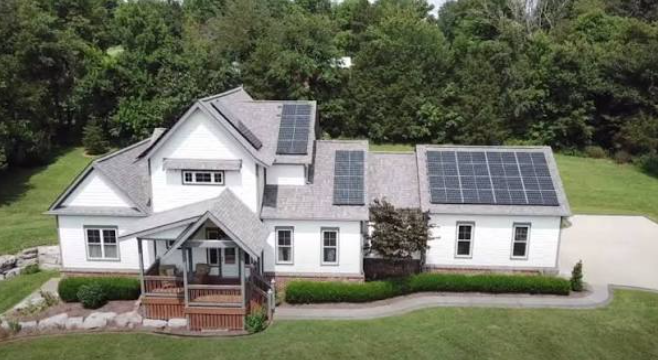
See also: How Homes Are Being Reimagined Through Solar Panel Design and Installation
Add-Ons That Complement High-Resolution Images
High-res images respond well to subtle enhancements. Virtual twilight can add emotional context without introducing artifacts. Grass greening helps exterior shots stay clean under harsh lighting. Virtual staging can clarify scale when rooms are empty, as long as lighting and perspective are respected.
What doesn’t work well at high resolution are aggressive transformations. Bulk furniture removal and heavy staging introduce inconsistencies that high-res sensors make obvious. Precision matters more than ever.
Sorting Isn’t Editing, Especially at 200MP
High-resolution shoots generate a lot of files. Manual sorting is about organization, not quality. It has nothing to do with HDR merging or noise control.
Automatic HDR editing is where resolution becomes usable. Separating these steps keeps workflows efficient and avoids rushed decisions that damage image quality.
This separation is critical when handling large files at scale.
High Quality Doesn’t Have to Mean High Cost
There’s a belief that handling 200MP images requires expensive, manual workflows. In reality, automation makes it practical.
HDR processing can cost as low as 40 cents per image, not truly 40 cents, but close enough to make high-resolution editing scalable. This allows creators to deliver clean, professional results without slowing down production.
Why This Matters for Micro-Social Content
Micro-social platforms reward clarity, not megapixels. Clean tones survive compression. Noisy shadows don’t.
When HDR is used for tonal management instead of visual drama, high-resolution phone images hold up everywhere, feeds, reels, and listings alike.
In 2026, real estate photo editing isn’t about chasing more pixels. It’s about making the pixels you already have look intentional.
At platforms like AutoHDR, you can see HDR as the bridge between raw smartphone power and professional visual standards. Not louder images. Not sharper ones. Just cleaner, more believable results, no matter how many megapixels are involved.