You probably notice the habit when your mouth aches or a small sore appears, and you want a clear way to stop it. You can curb cheek biting by identifying triggers, using simple behavioral tools, and, if needed, trying dental strategies like mouth guards or orthodontic adjustments.
This post explains how to stop biting inside of cheek, why the habit starts, how stress and unconscious chewing keep it going, and practical steps you can use today to break the cycle. Follow the sections on what causes cheek biting and which evidence based strategies work so you can protect your mouth and feel more in control.
Understanding Cheek Biting
You often bite the inside of your cheek because of a mix of habit, how your teeth meet, and reactions to stress or oral irritation. Knowing the causes, the harm it can do, and how to spot your personal triggers helps you choose practical steps to stop.
Common Causes of Cheek Biting
Unconscious habits are a major cause: you may chew your cheek while focused, bored, or falling asleep. These habits can become automatic; you might not notice you do it until there’s soreness or a visible wound.
Tooth or jaw alignment problems also contribute. If a molar or orthodontic appliance creates a sharp edge or shifts your bite, the cheek can get caught between teeth during chewing or speaking. Wisdom teeth eruptions often change mouth space and increase accidental bites.
Emotional and neurological factors play a role. Anxiety, stress, and some body-focused repetitive behaviors (BFRBs) make you more likely to bite. In rarer cases, neurological conditions or medications that change sensation or movement in your mouth increase risk.
Risks and Effects on Oral Health
Repeated cheek biting causes persistent irritation, raw patches, and ulcers on the buccal mucosa. Those sores can make eating and speaking painful and delay healing if the tissue is repeatedly traumatized.
Chronic biting raises infection risk because the mouth harbors bacteria; open wounds can become swollen, painful, or form white patches. Long-term chewing can thicken and scar cheek tissue, a condition called morsicatio buccarum, which may look rough or leathery.
You also risk damaging dental work. Fillings, crowns, or aligners can be loosened or worn by frequent cheek chewing. If misalignment causes the bites, untreated bite issues can worsen tooth wear and jaw pain over time.
Identifying Triggers
Track when and where biting occurs to find patterns. Keep a simple log for a week noting time of day, activity (e.g., working, watching TV), stress level, and whether you were eating or talking. Look for repeat situations—like during deadlines or while using your phone.
Inspect your mouth for physical triggers. Check for sharp teeth edges, loose fillings, or new orthodontic appliances. Ask your dentist to evaluate bite alignment and any dental restorations that could catch the cheek.
Notice emotional states that precede biting. If you feel anxious, bored, tired, or tense before biting episodes, those emotions likely trigger the behavior. Awareness of these internal cues lets you apply targeted strategies—such as stress-management techniques or dental adjustments—before the habit starts.
See also: Anxiety Disorders in Teens: Recognizing Symptoms, Causes, and Effective Treatments
Effective Strategies to Stop Biting Inside of Cheek
Identify when and why you bite, protect healing tissue, adjust oral mechanics, and manage stress. Practical steps include awareness exercises, bite guards or dental adjustments, habit-replacement tools, and targeted stress-reduction techniques.
Behavioral Techniques and Mindfulness
Begin by tracking when you bite: note time of day, activity, emotion, and whether you’re chewing or talking. Use a simple chart or app to record episodes for two weeks to find patterns.
Increase awareness with short, frequent checks. Set a vibrating reminder every hour, pause and scan your mouth, then rate urge strength 0–5. Replace chewing with a safe action like sipping water or holding sugar-free gum.
Use stimulus control: remove chewy foods or gum if they trigger accidental bites. Practice a brief 3–5 minute grounding exercise when urges spike—slow breathing plus mindful focus on jaw and tongue placement reduces automatic movement.
Dental Solutions and Treatment Options
Have your dentist check for misaligned teeth, sharp restorations, or a high bite that traps cheek tissue. Corrective options include smoothing sharp edges, adjusting fillings, or orthodontic treatment for bite alignment.
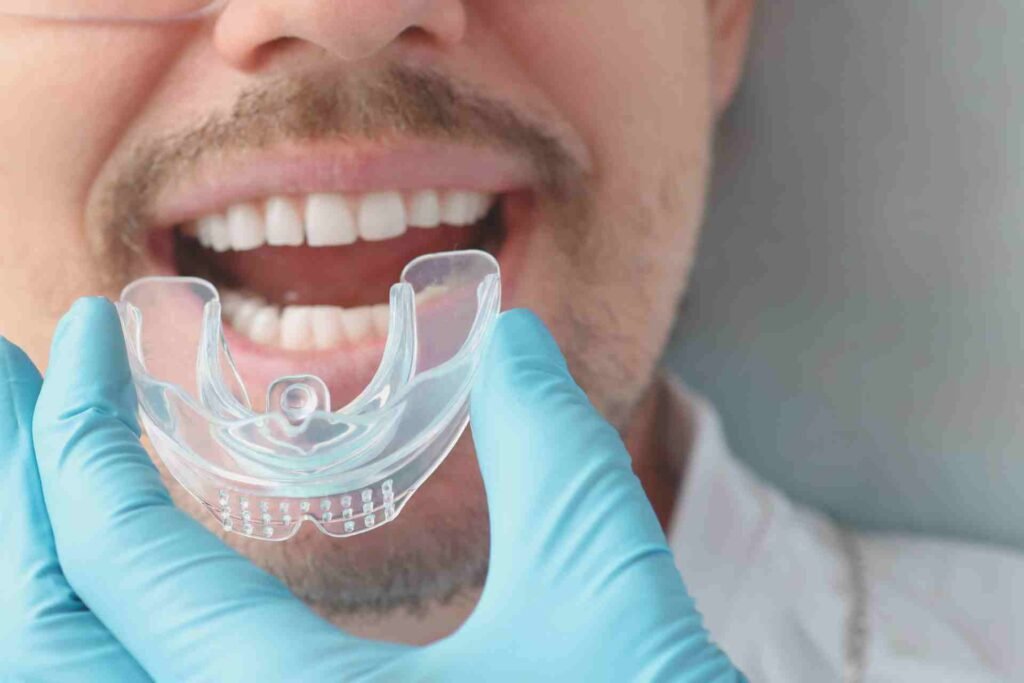
Consider an occlusal guard or soft night splint if you bite during sleep or clench your jaw. Guards reduce trauma to the cheek and prevent habit reinforcement while you work on behavior change.
If you have recurring sores or tissue overgrowth (hyperkeratosis), your dentist may recommend topical healing agents or a referral to an oral surgeon. Request photos or notes to track healing and follow-up care.
Proactive management of these issues ensures that minor irritations do not develop into chronic lesions or permanent scarring. According to this dentist who does quality dental implants in San Antonio TX, regular monitoring during your dental check-ups allows for timely adjustments to your treatment plan, maintaining both your comfort and oral health.
Lifestyle Changes and Stress Management
Identify stressors that coincide with biting—work deadlines, meetings, or boredom. Build quick coping tools: 2-minute breathing breaks, progressive muscle relaxation, or a short walk during high-stress windows.
Adjust eating habits: chew slowly, take smaller bites, and avoid multitasking while eating. Dry mouth increases accidental bites, so drink water regularly and consider a sugar-free lozenge to maintain saliva flow.
Improve sleep and reduce stimulants. Aim for consistent sleep hours, cut excessive caffeine late in the day, and limit alcohol—these steps lower jaw clenching and impulsive behaviors that lead to cheek biting.
When to Seek Professional Help
See your dentist if bites cause persistent ulcers, bleeding, numbness, or signs of infection that don’t improve in 1–2 weeks. Document frequency and severity to share during the appointment.
Seek a mental health provider if biting is compulsive, linked to anxiety, or interferes with daily life. Therapies like habit reversal training (HRT) and cognitive-behavioral therapy (CBT) target underlying compulsions effectively.
If you suspect a neurologic cause (sudden onset biting, facial weakness, or coordination changes), pursue urgent medical evaluation. Early diagnosis helps prevent long-term tissue damage and guides appropriate treatment.