You can transform a building into a power source by designing solar panels as integral parts of the structure rather than as add‑ons. When you integrate photovoltaic systems thoughtfully—balancing orientation, materials, and aesthetics—you cut energy costs, improve building performance, and keep design integrity intact.
This post explains the core principles that guide effective solar panel architecture and the practical design considerations you’ll need to evaluate, from structural compatibility to visual impact. Expect clear, actionable ideas that help you plan systems that work efficiently and look intentional.
Core Principles of Solar Panel Architecture
You’ll focus on panel types, the internal cell structure that creates electricity, how panels are arranged on a roof or site for performance, and the common materials that determine durability and efficiency.
Types of Solar Panels
You’ll encounter three primary panel types: monocrystalline, polycrystalline, and thin-film.
- Monocrystalline panels use single-crystal silicon cells. They deliver the highest efficiency per area (typically 18–23%) and perform better in limited roof space. Expect higher upfront cost but longer lifespans and better temperature resilience.
- Polycrystalline panels consist of multi-crystal silicon. They cost less and have slightly lower efficiency (around 15–18%). Choose these when budget matters and you have adequate mounting area.
- Thin-film technologies (amorphous silicon, CdTe, CIGS) offer flexibility and lighter weight. Efficiencies are lower (often 10–16%), but they excel for curved surfaces or integrated façade applications.
Decide based on your space constraints, budget, aesthetic goals, and climate-driven temperature performance.
Photovoltaic Cell Structure
A PV cell converts photons to electrons through a layered semiconductor structure.
- Basic layers: a front anti-reflective coating, an N-type silicon layer, a P-type silicon layer forming a p–n junction, and a back contact. The junction creates an electric field that separates charge carriers.
- Contacts and busbars collect current; advanced cells use thinner busbars or multi-busbar designs to reduce resistive losses and shading.
- Passivation and texturing improve light absorption and reduce recombination; you’ll see techniques like PERC (Passivated Emitter and Rear Cell) or heterojunctions (HJT) for higher yields.
Cell design choices directly affect conversion efficiency, low-light performance, and temperature coefficients that matter for your output across seasons.
Panel Configuration and Arrangement
How you place panels changes energy yield and system behavior.
- Orientation and tilt: In the Northern Hemisphere, face arrays south; tilt angle close to your latitude optimizes yearly production. Adjust tilt seasonally for higher winter or summer yield when needed.
- Stringing and MPPT: Panels connect in series strings feeding inverters. String size influences voltage, shading sensitivity, and inverter compatibility. Use microinverters or power optimizers when partial shading or varying orientations exist.
- Spacing and ventilation: Maintain clearance for airflow behind panels to reduce operating temperature and efficiency loss. Row spacing must prevent inter-row shading based on sun-path calculations.
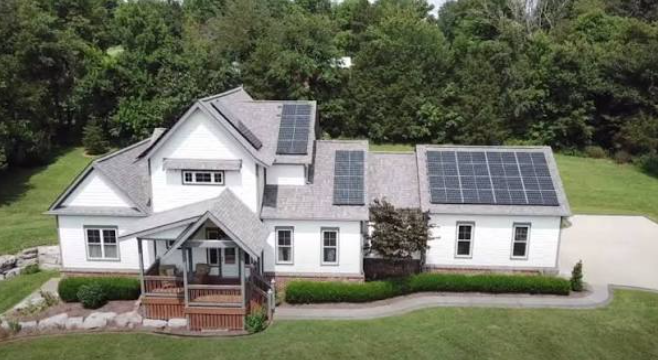
- Mounting options: Roof-mounted, ground-mounted, and building-integrated configurations change structural load, wiring runs, and serviceability. Match mounting type to site constraints and maintenance access.
Materials Used in Solar Panels
Material choices determine performance, cost, and lifetime.
- Silicon (monocrystalline/polycrystalline) remains dominant for cells due to mature manufacturing and high efficiency. Purity and doping levels shape electrical properties.
- Glass and encapsulant: Tempered low-iron glass protects the front; ethylene-vinyl acetate (EVA) or newer POE encapsulants bond and protect cells. Encapsulant quality affects moisture ingress and delamination risk.
- Backsheet and frame: Polymer backsheets or glass-glass constructions serve as weather barriers; anodized aluminum frames provide structural stiffness and corrosion resistance.
- Conductors and coatings: Silver or silver-reduced pastes form cell contacts; anti-reflective coatings and surface texturing maximize light capture. Choose materials that balance cost against degradation rates and recyclability.
Design Considerations for Solar Panel Integration
You need to balance sunlight access, building strength, and visual impact when integrating solar panels. Prioritize measured site data, verified structural capacity, and coordinated aesthetic choices to meet performance, code, and design goals.
Site Assessment and Orientation
Measure solar access with at least one year of shading data or a site-specific sun path analysis. Map nearby trees, adjacent buildings, and seasonal shadowing; quantify expected irradiance (kWh/m²) for the proposed array plane.
Orient arrays to maximize incident irradiance given your latitude: in the Northern Hemisphere, favor south-facing surfaces within ±30° of true south for highest annual yield. Tilt angles should match roof pitch where possible or be optimized for seasonal performance if you can alter mounting.
Evaluate roof area vs. required array size and consider mixed orientations when roof planes differ. Check roof obstructions (vents, skylights) and plan string layouts to minimize mismatch losses and shading on panel strings.
Structural Requirements
Confirm the existing structure can carry dead, live, snow, and wind loads plus the additional panel and racking weight. Obtain engineered calculations showing load paths, uplift resistance, and connections to primary framing before installation.
Specify mounting systems compatible with roof type—penetrating mounts with flashing for pitched roofs, ballast or clamp systems for low-slope membranes—and detail waterproofing measures. Use wind-tunnel or code-based uplift coefficients for edge and corner zones.
Design for service access and maintenance: preserve clear walkways, roof hatch access, and safe fall-protection anchor points. Include photovoltaic attachment details in as-built structural drawings for future roof work and inspections.
See also: Anxiety Disorders in Teens: Recognizing Symptoms, Causes, and Effective Treatments
Aesthetic Integration in Buildings
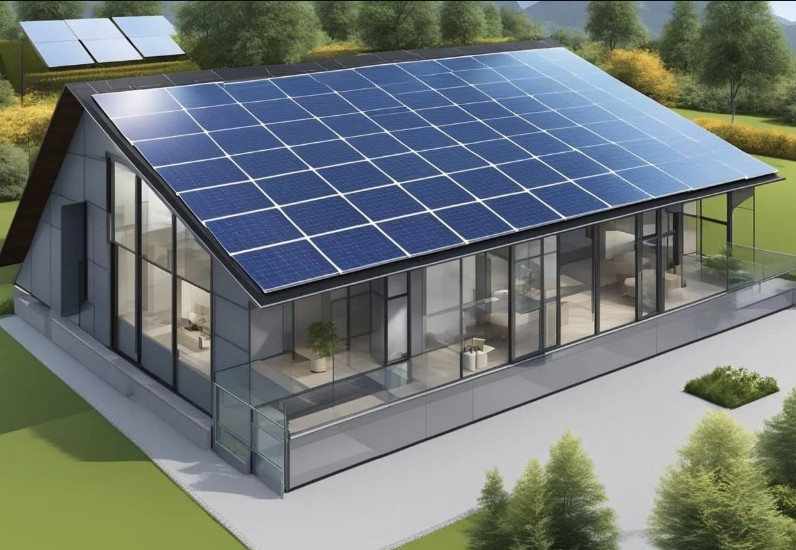
Decide whether to use Building-Integrated Photovoltaics (BIPV) or conventional modules mounted visibly. BIPV options—solar glass, facade modules, and solar roofing—replace building materials and can match colors, transparencies, or module formats to the design intent.
Align panel layout with facade rhythms, window bays, or rooflines to create coherent sightlines. Use consistent module framing, uniform tilt planes, and concealed wiring where possible to reduce visual clutter.
Address regulatory and client expectations by producing visual mockups and photorealistic renders showing daytime appearance and night reflections. Specify finish treatments (anti-reflective coatings, frame color) and edge details so the installation meets both energy targets and architectural standards.